Showing posts with label wordpress. Show all posts

Thursday, 11 March 2021

  Top 5 UI/UX Design companies in the World

Top 5 UI/UX Design companies in the World

At first, there is a list of the top 5 ux /ui design companies with a brief description of each. I have also made a comparison of the best UX agencies according to the following criteria.

Should you need more insights on what a typical UX agency can do for you and how to choose the best UX company among hundreds of options, I share a brief and informative summary of everything you should know before you hire a UX agency at the end of this article.
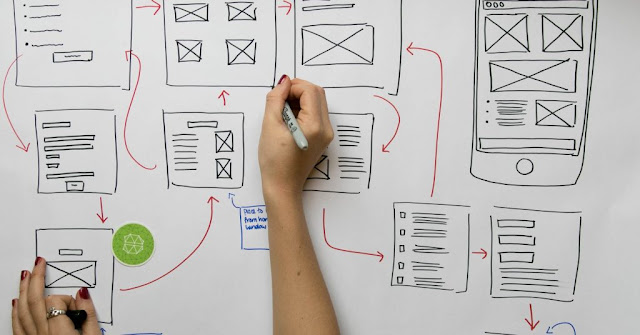

Top 5 UI/UX design companies in the world

This is a list top 5 ux/ui design companies in the world in 2021

1, Digital Telepathy

Telepathy’s most famous clients include Adobe, Patagonia, and Marriott. They work together on fixed projects or through design subscriptions. And, acclaimed for the sleek design of their website, Telepathy also runs a blog that attracts 300,000 readers a month.

Acclaimed for the sleek design of their website, Telepathy also runs a blog that attracts 300,000 readers a month. the team has also incubated many products and have built Hello Bar.

2, Fantasy Interactive

David Martin founded Fantasy in 1999 but no longer serves as CEO. The company gained fame for the beautiful UI design they always present. Furthermore, these early videos showcased their high-end visual design skills and contained animated UI designs, rather common back then.

Fantasy currently employs about 50 people, down from a few years ago when they enjoyed even greater popularity.

3, Frog

One of the old players in the design world, Frog turned 50 last year. And, originally more of an industrial design and branding firm, they turned to the digital world and became better there as well as technology evolved.

Frog does everything, from designing furniture and hardware to branding and mobile apps. Frog also got on the innovation bandwagon. Now you can read the terms “digital transformation” and “strategy” on many pages of their website.

Frog would earn that title. They currently operate from 10 offices around the world. And, still strong in industrial design today, Frog shines best with projects where digital interfaces, hardware, and branding all get involved together.

4, UX studio

UX studio is rated as one of the top 5 ui design companies worldwide according to Clutch and other independent ranking firms.

I might be biased writing about my own agency. However, in my humble opinion, we are still one of the fastest-growing among the top UX agencies. Besides, we have recently become a member of the exclusive Zeplin agencies community.

5, Ideo

A legendary innovation firm based in Palo Alto, California, Ideo started in industrial design in 1991. Later, as software became more and more important, Ideo turned to interaction design. Founder David Kelley realized early that they had to convince their client companies’ managers to follow their design methods.

Most famous for their innovative work and the love of prototypes, Ideo provides diverse teams with designers, engineers, and researchers to a project. And, they work on innovation projects for big enterprises that want to bring back the start-up spirit.

Thursday, 24 December 2020

 6 Reasons Why Drupal Remains a Leading CMS in 2021

6 Reasons Why Drupal Remains a Leading CMS in 2021

Do you know Drupal and Wordpress? Drupal often gets compared with WordPress. Both allow you to quickly customize and innovate upon a solid pre-existing framework, open-source code, and modules, with access to countless tools and information free of charge to help you get the right features, functionality, and design. But in 2021 Drupal is become a trend of developer and software development company. 

6 reason why drupal remains a leading cms in 2021

Reason 1: Drupal is a Proper Web Experience Management System

This is because the Drupal CMS has made a point of being a flexible platform that performs more like a web experience management system – giving you the ability to integrate your favorite customer relationship management (CRM) software, such as Salesforce, or inbound marketing platforms into your website.

This is why Drupal is a clear choice for organizations that want to seamlessly integrate your preferred third-party technology with your website.

Reason 2: How Drupal Leads in User Experience

There are several built-in and contributed modules that supercharge Drupal, making it the best choice among content management systems for these reasons:

  • WYSIWYG editor – a much-appreciated feature that allows users to sneak a peek at how the text and images they’ve entered into the text editor will look before pushing the “publish” button.
  • Multilingual functionality – these features are built right into Drupal 8 core and give you the power to translate your site or have the language displayed on your website shift depending on the user’s geographic location.
  • Quick Edit – type directly into a text editor in Drupal to cut down on the time required for adding and uploading content to your website.
  • Personalization – give your users the experience that’s right for them using one of several content personalization modules for Drupal, including Personalization Module, Browsing History Recommender, Commerce Recommender, and Context-Menu Block.
  • Enhanced caching capabilities – Drupal leads in terms of page loading efficiency and speed thanks to BigPipe and other caching optimization modules.
  • Options and flexibility - There is more than one way to create excellent user experiences in Drupal. Some situations require the utmost flexibility, like flexible landing pages for specific marketing campaigns, while others require more uniform control

Reason 3: Drupal Integrates Well With Popular Marketing Tools

Organizations are looking for dynamic content across many digital touch-points (omnichannel), therefore they need a web CMS that stays in step with new sales and customer engagement technologies.
The Google Analytics module allows you to collect all-important customer data and make adjustments to optimize how well your Drupal site speaks to and engages your target market.

Reason 4: Drupal Is Highly Extensible via APIs

  • Drupal’s API, querying, GraphQL, and microservices models make it easy to mold to almost any architecture with tools and features that improve the experience of both customers, admins, and developers.
  • The releases of Drupal 8 and 9 have heralded several such APIs:
  • The RESTful Web Services API in Drupal 8 supports a decoupled Drupal site; the communication between native mobile iOS/Android apps and a Drupal site; and, integration with web services.
  • JSON:API module allows serialization and communication via JSON.
  • Render API enhances the user experience through faster page rendering, and better caching protocols.
  • Drupal 8’s Translation API can adjust language on your website depending on where your viewer lives.

Reason 5: Drupal is Great for SEO: Leading Tools for Metadata and Taxonomy

Another key asset for modern, SEO-friendly websites is having a flexible and intuitive taxonomy system. Drupal’s built-in taxonomy system is designed to simplify how you organize your content, with the help of keywords.

Drupal’s Metatags module also allows you to shape how your content appears on social media sites with such APIs as Twitter Cards for Twitter and Facebook’s Open Graph protocol, giving you the ability to share consistent messages across platforms.

Reason 6: A Powerful Tool: Drupal Improves With Experience

As you can see in the image below that we snapped at DrupalCon Europe with the creator of Drupal, Dries Buytaert, research shows that, like a fine wine, a user's opinion of Drupal improves with experience. It is a very powerful tool, and with great power comes...a complexity-usability tradeoff, at least for beginne

Monday, 1 July 2019

The Pros and Cons of Free Vs Paid WordPress themes

The Pros and Cons of Free Vs Paid WordPress themes

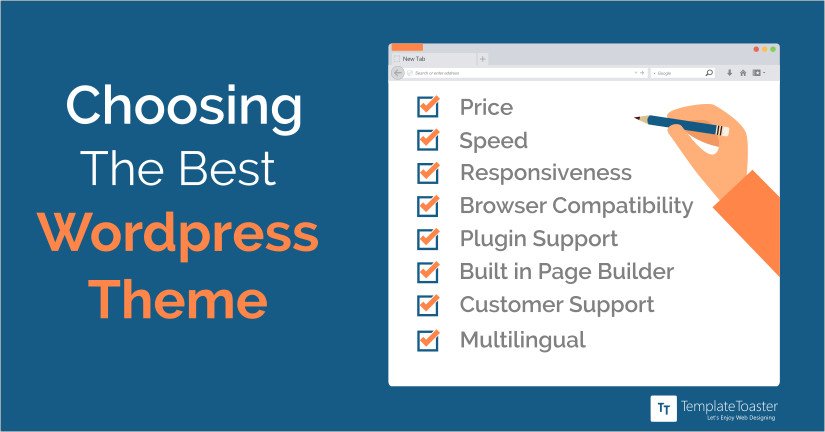
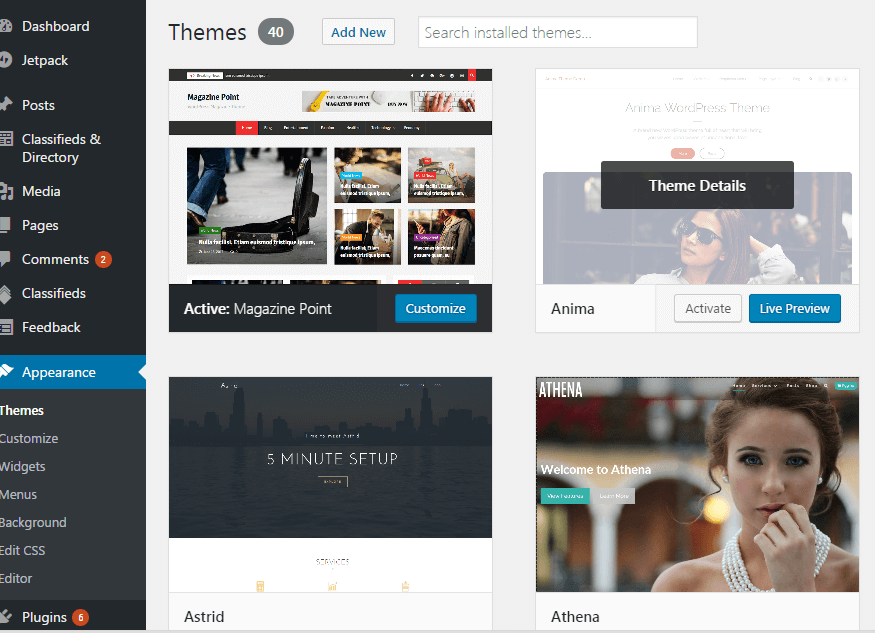
Building a website with WordPress has been made dead-easy for you. While there is certainly a learning curve, even if you know little-to-no HTML, you can still build an amazing site. Part of what makes WordPress so popular is the myriad site themes available to you.

New themes are constantly being created, and the classic templates can be found on award-winning sites all over the internet. Choosing a theme is among the first steps when building your site. But how much better are the paid themes (if at all) than the free ones? Below is a helpful list of the pros and cons of each to help you decide.

The pros of a free WordPress theme

When you first access WordPress, you are likely going to be a bit overwhelmed by all of the template choices. Most first-time site owners or blog writers go for free themes because this is their first foray into online business. Free is not necessarily a dirty word here. Below are some of the pros of a free WP theme to keep in mind.


Free is good and cheap

While there is no such thing as a free lunch in the majority of cases when it comes to web design, with WordPress it’s different. The vast number of successful websites built using free themes is a testament to that. You don’t necessarily need paid templates to succeed.

Additionally, those just getting into the sometimes overwhelming world of web design and building might not need anything else. They also may not want to spend a lot of money while they test the waters. Free templates, while not as customizable as some of the paid options, still have everything you need to be successful online.

WordPress checks its free themes rigorously

The free themes in the WordPress template library, perhaps counterintuitively, are the ones that go through the strictest QA. The free themes are the ones that are most often used. They are also the ones that are used as training templates for new developers to hone their skills.

The bottom line is that there are a lot of talented eyes that go over these free templates. Whereas the premium templates might contain more specialized features and pieces of code, these templates might not be checked as thoroughly.

The cons of a free WordPress theme


While free WordPress themes are great options for a lot of people, there are some reasons you might choose a premium theme instead. Below are a few of the reasons free themes are sometimes not preferable.

Less support for you

While you are perfectly able to take any questions you might have to the WP forums, the developers there don’t have to answer you. With premium themes they do.

Fewer features and functionality

While free themes to give you most of the standard WP features, you often don’t get valuable extras. These include things like the ability to create buttons, landing pages, and use convenient shortcodes.

You will notice a lot of similar sites out there

With the free offerings, you get a template that a lot of other sites are going to be using. That means you won’t have as unique a website as you might like. Customization options are limited, and there are only so many different permutations of a template to create.

The pros of a premium WordPress Theme

Premium WordPress themes vary in price and style, so it takes some shopping around to get the one that works best for you. With that in mind, nearly all premium themes come with features that you likely won’t get with the free themes. Below are some of the pros of opting for a paid WP theme.

You get responsive design

Most premium WordPress themes come with a responsive design built into them. Responsive design is a principle of web design that ensures your website displays well across different devices and platforms.

It is important to have a responsive design built into your site for a variety of reasons. Undoubtedly the most important of these is the massive changes in web traffic for the last few years, with now more than half of it coming from mobile devices.

They are better set up for SEO

Good SEO is a vital component of online success. If your site isn’t optimized to appear in organic search results, you are going to have a much harder time growing your traffic and business.

Premium themes are better-setup for on-site SEO. The page layout and the coding have been done with SEO in mind, so you can be sure you are meeting the Google Algorithm’s demands and getting ranked favorably.

They tend to be more user-friendly

User experience – commonly abbreviated as UX – is one of the most elements of a good site. There many aspects of good user experience (which creates a user-friendly site). With a premium theme, you get more of these elements built into the template.

Sometimes the subtlest changes to the user experience can have a dramatic impact on things like bounce and conversion, which are two metrics you should be very focused on. With a free theme, not as much time is typically spent on this part of web design.

The cons of a premium theme


There are essentially three cons when it comes to premium themes, but they all fall under the same umbrella: picking the right one involves some knowhow. Free themes are designed with novices in mind. To get a good premium theme, you have to be a bit more discerning. That means you need more web design knowledge.

First, sometimes premium themes, thanks to less rigorous Q&A, contain poorly written code. To know that, you’d have to be able to interpret and judge the coding for yourself.

Second, Sometimes there are too many features included with a theme. This can have major implications for page load, bounce, and a host of other important metrics. Again, you need to know how to evaluate a template for this.

Third, sometimes themes end up migrating into the world of plugins, providing you with functionality that a theme shouldn’t be providing. In this case, if you were to switch themes, that functionality would be lost. Yet again, this is something you would have to be able to evaluate before making your purchase.

Conclusion

It is hard to say whether you need a free theme or a paid theme without knowing what your site is for, and what you are hoping to accomplish. More experienced site owners would likely opt for a premium site – provided they know what they are looking at – and beginners tend to gravitate towards the free ones.

The bottom line is, sometimes free is better, often times premium is better. The above list of pros and cons has hopefully provided enough information to know how to make the right decision.
What’s new in WordPress 5.0?

What’s new in WordPress 5.0?

WordPress 5.0 is slated to bring the biggest change to the CMS in a long time. With the rollout of Gutenberg, a block-based content editor, WordPress is taking a huge step towards bringing easy, responsive layouts into content editing. It’s the first step in a three-stage plan to revolutionise content, templates and eventually WordPress site-building as a whole.


WordPress 5.0 introduces an all-new Twenty-Nineteen theme and updates to the previous WordPress themes. Suffice to say, the WordPress landscape is going to change massively in the next few years. In this article, we take a closer look at Gutenberg, and the other updates set to change the way we build WordPress websites.

If you're building a website, don't forget to check out our guide to the best web hosting services in 2019 – many of them have WordPress-specific options.

01. New, block-based content editor


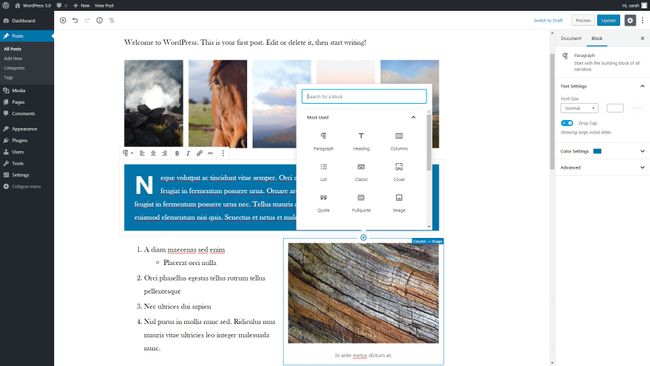
The main change with WP 5.0 is the introduction of Gutenberg, a new-look content editor based around responsive blocks. For an in-depth guide, read our introduction to the WordPress Gutenberg editor. In essence, content is split up into different types (paragraphs, lists, images, quotes and so on), and editors can insert, move, remove and swap blocks of content around the post or page. It is also possible to create reusable blocks, which can be saved and used anywhere, with updates being rolled out automatically across all instances of that block.

02. Twenty Nineteen theme

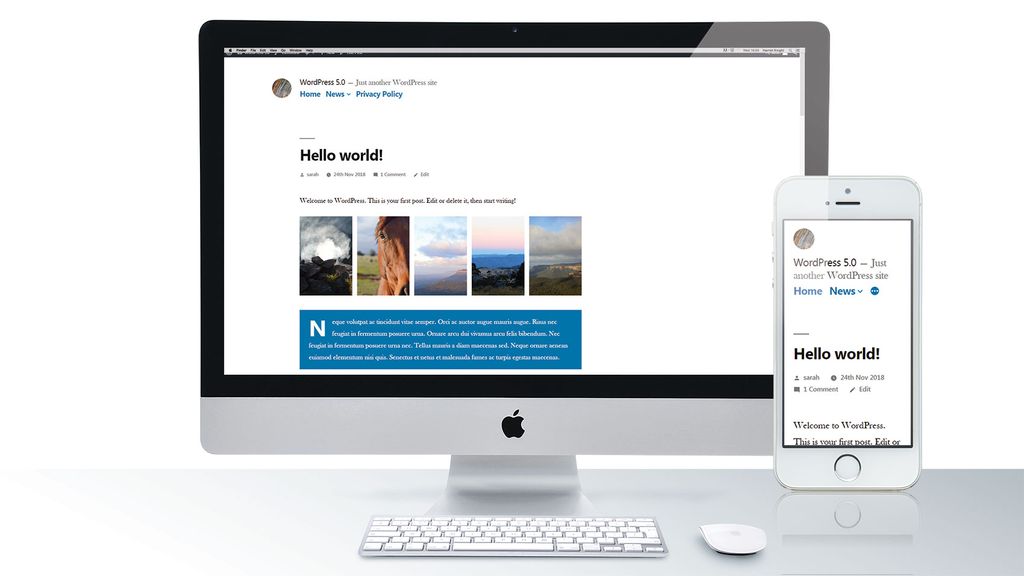
Embodying the whitespace, the new Twenty Nineteen theme is a type-driven layout and fully supports Gutenberg. It showcases what the new editor has to offer, embracing block layouts. The styles between editor and page are almost exact, so you can see what your page will look like as you edit. It’s designed to work for a variety of cases, from bloggers to small businesses, and has a minimalist menu and fullscreen featured image area (like the Twenty Seventeen theme). It has a two-column widget area in the footer and no sidebar.
The theme comes with the option to change the primary colour for buttons and links etc. and the option to filter the featured images using the chosen primary colour. The inline menu is bold and minimalist, with the logo, title, tagline, menu and social menu sat together at the top. The theme adapts well to tablet and mobile sizes, although content in multiple columns looks a little cramped on medium-sized screens before it breaks down and stacks on smaller screens.

03. ClassicPress

ClassicPress is a pre-Gutenberg spin-off of WordPress 4.8.9 aimed at business websites that want to maintain the original editing experience. The founders of ClassicPress fear that Gutenberg will disrupt the power and popularity of WordPress and launched the push-back initiative after the announcement that Gutenberg would become part of WordPress core. It’s a community led project and so no new features are added without the vote of the community.

The casual admin bar greeting ‘Howdy’ and other colloquialisms have been stripped in favour of formal language better suited to more serious websites. This open-source fork is gaining traction and could actually be a valid resource for WordPress users looking for a more ‘business-style’ version of WordPress.

04. Keyboard shortcuts


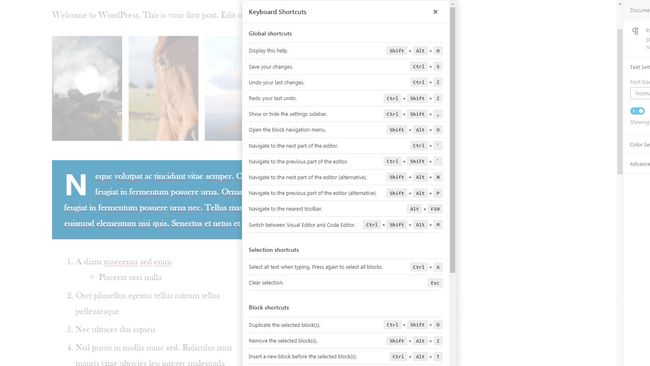
Keyboard savants will find the new Gutenberg editor to be a haven of time-saving shortcuts. An entire post can potentially be written without the use of the mouse. The WordPress team have been working hard to make the editor accessible for everybody. Inserting blocks, swapping between blocks and editing block settings can all be done with keyboard shortcuts.

Use Tab and Shift+Tab to skip up and down the page options, and use enter to select. To open the block type chooser, start a line with / or select any of the +icons with Tab. You can swap between page sections with ctrl+’ or cmd+’ and see all the OS-native keyboard shortcuts with Shift+alt+H.

05. Content structure and block navigation

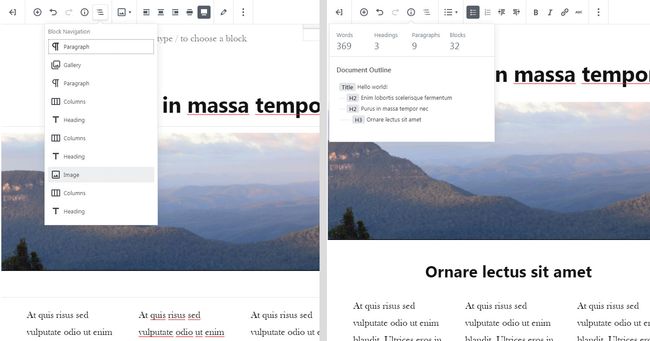
Gutenberg comes with some handy tools for content information and navigation. In the top left, the ‘Content Structure’ icon shows you the wordcount of your content, and how many headings, paragraphs and blocks it’s split up into.

The block navigation (Shift + Alt + O) gives a table of contents for easily skipping to blocks without having to scroll up and down looking. This is particularly helpful for keyboard-only users, who won’t need to tab through every block to get to the end of their content. The only downside is you can’t currently name blocks, so there’s some guesswork involved when you have a lot of blocks of the same type.

06. Editor views


The new editor has a few different views to cater to every editor’s preferred writing environment. By opening the options in the top right, it enables you to choose between the visual editor and the code editor (ctrl + Shift + alt + M). The code view will display the block syntax denoted by HTML comment tags (i.e. <!-- wp:example -->). Be careful when editing the syntax – broken tags will trigger your blocks to be changed into the ‘classic’ block.

Each editor can choose one or more view options; ‘Top Toolbar’ (move all the block options to the sticky top menu), ‘Spotlight Mode’ (grey out the blocks you’re not working on) and ‘Fullscreen Mode’ (hide the rest of the site options).

Thursday, 6 June 2019

16 Best Free WordPress Themes for 2019

16 Best Free WordPress Themes for 2019

WordPress is the web’s most popular content management system (CMS) for a reason. It’s open source, which means that the software is free to use and to modify, and that also means that there are literally millions of third-party plugins and themes out there for you to used to customize your website.


The best thing is that while many of these themes and plugins are only available in exchange for a fee, there are also plenty of free WordPress themes and plugins that you can use and many of them are just as good as the paid tools. So why pay?

And so with that in mind, let’s jump on in and take a look at the 33 best free WordPress themes for 2019.

1. OceanWP

OceanWP is a lightweight framework that can be used to create everything from blogs and resumes to e-commerce stores and more. It’s the WordPress equivalent of a LEGO set.

2. Astra

Astra is specifically designed for rapid load times and powerful performance. Its other big advantage is that the developer has a bunch of demo sites that you can import to get a pre-built layout within seconds.

3. Hestia

Hestia is another one of those templates which are specifically designed to allow you to use it as a builder for more complex solutions. That means that it’s fully integratable with everything from e-commerce solutions to website builders, making it a pretty good all-rounder.

4. Bento

Bento is a pretty popular choice because it’s packed with more features than most paid templates. It’s particularly good at integrating with WooCommerce.

5. Modernize


Modernize is exactly what it sounds like: a sleek, modern WordPress theme that puts the focus on the written content, stripping out all extraneous functionality to keep the visitor scrolling.

6. Ribosome

Ribosome is another clean and simple responsive design that maintains the look and feel of a classic WordPress site while offering a couple of advanced features.

7. SiteOrigin Unwind

SiteOrigin Unwind is one of the more visual themes, making it perfect for photography bloggers and visual artists. You can still make it work if you’re a more traditional blogger though, as long as you pick stunning featured images.

8. Hemingway

Named after the master writer himself, Hemingway is perfect for bloggers, authors and others who publish large amounts of long-form fiction.

9. Maxwell

Simple, minimalistic and easy to use, Maxwell is similar to Ribosome and is ideal if you want a classic WordPress feel with a fully responsive layout.

10. Writee

Writee is reminiscent of a cross between WordPress and Medium, and it’s one of the better picks if you’re looking for a mixture of ease of use and functionality.

11. Libretto

If you’re looking for a super simple one-column design, then look no further than Libretto. It strips out all the extraneous features and focuses instead on highlighting your content.

12. Verbosa

Verbosa’s design is reminiscent of a virtual magazine, and it’s perfect for content creators of any kind. It’s also unusual in that it has a sidebar on the left instead of on the right, which can help your site to stand out from the crowd.

13. Flat


Flat follows the Verbosa approach with a sidebar to the light, but it instead focuses on a single column design that puts your articles front and center.

14. Baskerville

Baskerville helps you to make your site look a little like Pinterest, creating blocks to highlight posts, images, videos and more. It’s also super intuitive and easy to use, as well as for visitors to browse.

15. Admiral

Admiral is another magazine style layout that’s perfect for publishers of all shapes and sizes. It also supports infinite scrolling so you can keep people reading more easily than ever before.

16. Hiero

Hiero is another magazine style WordPress theme, and it stands out because of its distinctive black and red color scheme and the number of features it includes, such as a responsive layout and threaded comments.

Friday, 24 May 2019

5 Ways That You Can Simplify Using WordPress

5 Ways That You Can Simplify Using WordPress

So much is needed when running a successful modern business and one of the most important things today is the creation of a website. Developing and running a website entails a lot, therefore it may be a daunting job if you do not know how to simplify things.


However, there are so many options available in the creation of a web page, some of which are easy and others are hard and time-consuming. When using WordPress, there are many easy options for you that can save a lot of your time and energy. Here are some of the simple things you can adopt in order to create your WordPress websites easily:

1. Keep your website building orderly

The excitement of creating a website is sometimes so much that you end up building things here and there, with no order at all. This is a great mistake because it leaves your websites looking unorganized. If you want to give your website that cohesive look it should have, you need to create things in order. 

This will help you stay organized and at the same time give you a smooth website, with a clear flow of things. The other benefit that comes with creating an organized website is to finish your projects in an organized and timely manner.

2. Make the best choice of a WordPress theme

The kind of WordPress theme that you will choose to use will make a whole lot of difference in the kind of experience you will have when creating your website. It is therefore important that you pick a theme carefully, whether you are just creating your own website or you are creating websites for your clients. WordPress themes are different; therefore you need to choose one that will simplify things for you in order to save so much time thereafter.

Some of the best choices you can go for include Zillah, a WordPress theme that has been designed specifically for bloggers; Divi, an easy to use the theme that will be good for the creation of page websites and Avada, which is a great option for those creating a large multi-page website. Each of these themes has its own strengths and areas of specialization, therefore go through each of their capabilities to determine which of these will be good for your project.

3. Use of a file manager


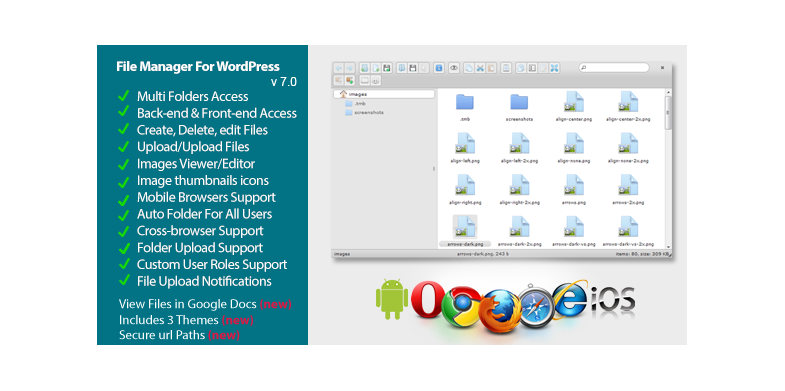
File managers are basically the simplest ways to manage one’s files without having to deal with all the limitations that come with it for instance file size. A file manager provides the user with the features to enable him to edit, delete, upload, download, copy and also paste files and folders. With a file manager, you should be able to copy or even move folders or files from one location to the other with ease.

File managers will not only make your work easier but also save you a lot of time since this can be done really fast. Some of the key features you will get to enjoy from the free version of file manager include: operations, which cover various operations that one can do, to the folders and files on a remote server for instance moving, copying, uploading, creating folders or files, editing, deleting among others; archives, a feature that can be used by the admin to create or even extract files; move/copy feature, which the admin can use in order to move files using drag and drop; the file size feature, which can be used by the admin in order to upload files of any size; the file type feature, which controls the kinds of files that can be uploaded and those that can be downloaded. There is also the shortcode and private folder features, both of which are available for the file manager pro edition.

4. Use Plugins

Plugins are basically programs that contain more than one function, which can be added to a WordPress website in order to extend their functionalities or even add new features to the websites where they are used. Fortunately, there are so many WordPress plugins in the market today and this means that you have a wide range of options to pick from depending on the kinds of features or functionalities you want to add to your website. 

Plugins can be used to make your WordPress experience very simple. Some of the plugins you need to start thinking about are WP Smush, Contact Form 7, Yoast, GeoTargeting among others. There is basically a plugin for everything that you would want to accomplish in your website creation, therefore take time to go through most of these plugins in order to determine the ones that will be good for your project.

5. Keep your tasks organized


Being able to manage your task is very important when one is creating a website. There are so many tasks you will perform, and all of these can overwhelm you if you are not careful. Luckily, there are task managers that you can use in order to organize your tasks all through website creation. 

There is for instance Asana, a task manager that allows users to map out all your tasks, giving you goals that you should accomplish for each task. Some task organizers have even more functionalities, for instance allowing you to see what your team is working on, so as to be able to work together in a group. If you are working in a team, you can accomplish a lot if you organize your tasks and keep your team informed on all the task deadlines.

As you can see, creating an effective website in an easy and fast manner entails a lot. You do not have to go through a lot of hassle, which may make it hard for you to enjoy the website creation process. Web development is an exciting thing too, therefore in order to enjoy every bit of it, make your work easy by simplifying the workload.
Why You Should Create A WordPress Website For Your Client

Why You Should Create A WordPress Website For Your Client

WordPress is a popular content management system that is highly preferred by many individuals. At first, it started as blogging software that was mainly used for creating personal and company blogs. However, over time it evolved and became diverse in that it can be used for blogs, websites and online stores. This is mainly enabled by the many plugins and themes that it has.

Many clients, who are interested in getting a website for their own personal or company use, are normally not sure of the type of website they want. Therefore, as a website designer or web developer, you need to find a platform that will suit your client’s preference and will not trouble him/her. WordPress is definitely a great choice.


Thus, when creating the web scope after discussing the intended website, remember to state why you’ve chosen WordPress. As an individual, you may even opt to convert your own personal website to WordPress and enjoy using it.

Here are some reasons why you should make a WordPress site for your client:

WordPress resources and community

WordPress has an awesome community that seeks to answer any query brought forth. In addition, there are other resources on the internet that seek to answer common WordPress queries. Since 2003, the developers of this awesome CMS have always been updating their latest releases. Thus, you can easily troubleshoot a problem with the information provided. Most of the WordPress resources are free to access, unlike some other resources where you have to pay a fee so as to access information.

If you encounter any problem when you are creating a website, you can always consult the community. After creating the website, you should also train your client on how to go about finding information on the internet. This is to reduce incidences where he/she will want to reach out to you to solve a certain issue. In the end, they will also gain the necessary experience and skill.

Dashboard

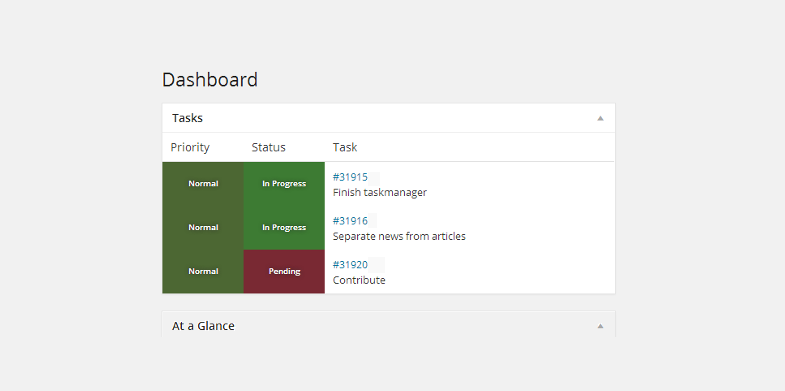
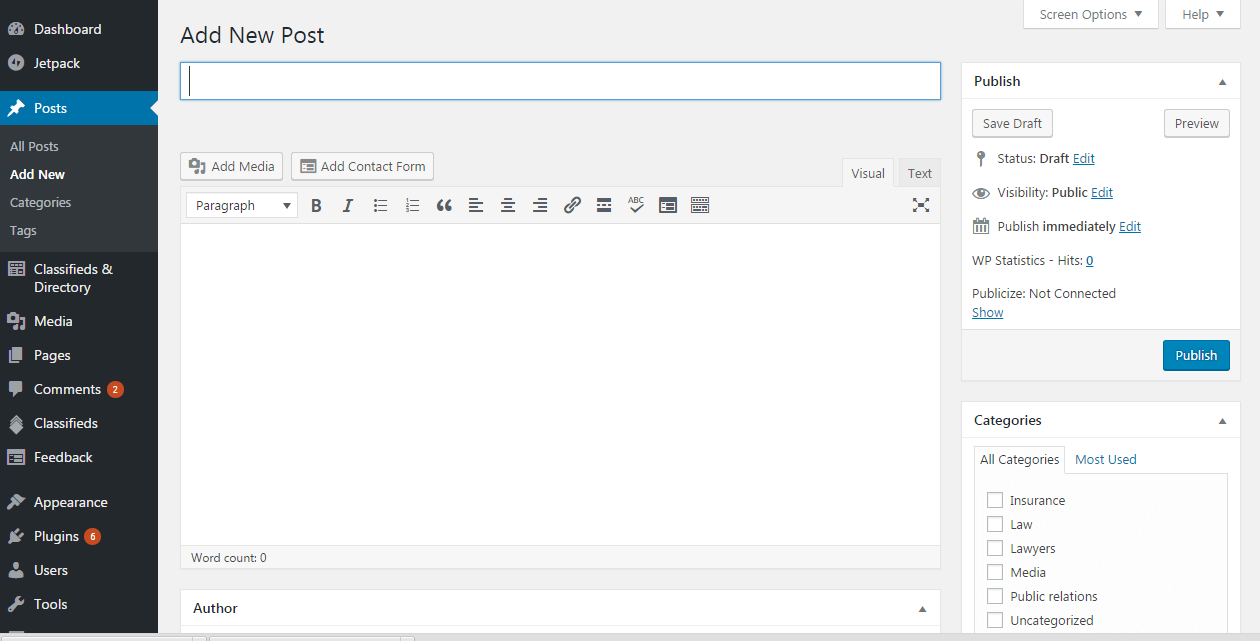
Another awesome aspect of WordPress is that it is easy to navigate through the dashboard. The dashboard is straight forward and one can easily learn how to use it within a short time. Thus, if you make a website for your client, they won’t have a lot of trouble in using the dashboard. If the website is a blog, the client will be able to post and edit articles at ease. This also applies to the upload of images and videos.

Management of the website

WordPress can be managed using any browser as long as there is an internet connection. Thus, you can log in, into the website using any computer or device and have no issues. In addition, the formatting, publishing of posts and pages is easy due to its interface. In WordPress, it is acceptable to have a couple of users/authors who can access the administration panel and customize it. For instance, you may create an account for your client and also for your use too


No complex coding needed

WordPress being a Content Management System doesn’t require any complex knowledge of coding. All you have to do is install the software and connect with the database. The only coding that you might be prompted to use is the plugin-related ones. It won’t be a requirement to go to the source code and change certain settings or add a page of code. This is beneficial for clients who don’t have the slightest knowledge of coding.

Search Engine Compatibility

There are many search engine optimization plugins on WordPress that aid in increasing the visibility of your site. These include awesome plugins like Yoast SEO which is popularly used for SEO. This will definitely excite your client who will be able to have a Search engine friendly site. In a huge way, this helps to rank the site higher when searched for. However, you need to train them on how to optimize their content, title, and keywords. WordPress provides an easy platform to make this work efficiently.


Website responsiveness

No client would be happy if you made an unresponsive site for them that would require zooming in and out. Thus, most WordPress themes are responsive to ensure that the website is responsive to each of the browsers. The responsiveness of a website goes a long way in maintaining a high profile for your company or individual website. Your client will definitely be amazed by the WordPress website you design for them.

Customization

On the WordPress website, there is a section on the left side where you can customize the site into any form that you may want. While you edit, it normally shows the kind of changes you have made on the right side. You can also make any type of changes at your convenience, without having to access the code files. Be assured that your client will have full control of the website and make any needed updates.

WordPress comes with an in-built blog

Initially, WordPress was created to be a blog software before it was made more diverse. Due to this, making a blog is easy and doesn’t require too much effort. Your client can easily add posts to his/her website when they need arises. It is also easy to edit the posts and customize them in the right way. This will help reach a broader audience and also diversify the website.

Themes, extensions, and plugins

In WordPress, there is a diverse market of free themes, extensions, and plugins. Depending on the kind of look you want, you can easily customize a theme to satisfy your needs. You can also change your theme with just a click of a button.


The amazing plugins like woo commerce can allow you to create an online store that will be up and running within a short time. You can also use an Ad classified plugin that will help to create Ads an advert on the site. If your client needs a company website that showcases their services, products, and blog, WordPress is the best choice.

Single-page websites

WordPress also allows one to create a one-page website that has all the functions. Single-paged websites allow one to scroll the website at ease. However, this is mainly recommended for small companies that don’t want too much content. Single-paged websites are beneficial in that you don’t have to leave the page to go to another. In addition, it is also easy to access the call to action buttons.

Importing and exporting a WordPress website

In the dashboard, there is a setting that allows one to export their WordPress site and import elsewhere. This is a function that not all Content Management systems have. Thus, it is easier for your client to move the site. Setting up the WordPress site is also easy as long as the connection between the database and the website is done correctly.

Conclusion:

It is evident that creating a WordPress site for your client is advantageous. All you need to do is to train your client on how to go about with posts and pages. If any issue arises, he/she can find useful resources that will help solve the current issue. With all the current trends and technologies, WordPress will definitely evolve into more with time and troubleshoot any system issues that it may be having.

However, after creating the website for your client, you should provide important links that he/she can use for training. You can also avail various websites where they can get the various extensions that can improve their sites.

Wednesday, 10 April 2019

5 Ways to Put Audio On Your WordPress Blog

5 Ways to Put Audio On Your WordPress Blog


Using audio on your website can be a very effective way of reaching your intended users. A lot of website developers shy away from the use of audio though, unless if they are designing websites for radio commercials. One of the ways you can engage your users fully is if you allowed them to multitask a bit, something that is considered as part of everyday life. 

Audio communicates differently than written content, and a lot of users will find it easier to connect to you through audio than they can by going through your website content. Users who have no time to go though the entire content or to watch your webinar can listen to your audio even if they are occupied with something else. That is why you need to learn how to put audio on your WordPress Blog:

1. Automatically


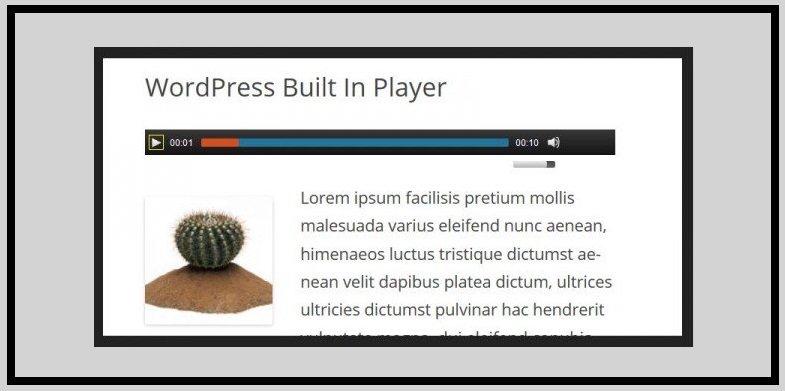
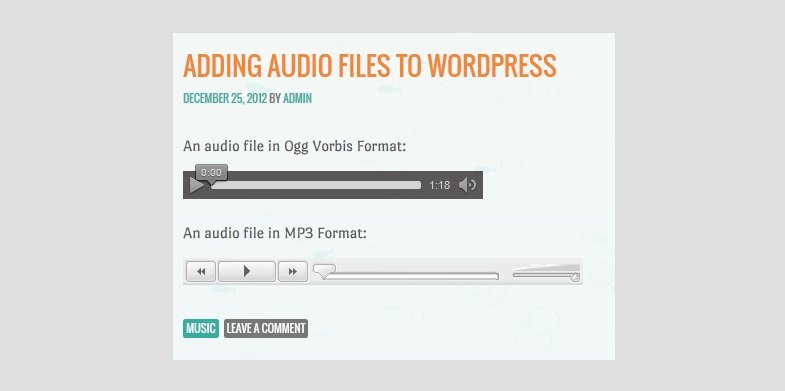
By default, WordPress is capable of handling audio files. This is a simple thing to do. Just the way you can add images in a post, you can insert an audio as well. This has got even easier with HTML, before which there was no standard way one could play audios on a website. Even though Flash was there and was popular, it was not really pleasant. Today, WordPress is able to use HTML5 in order to embed an audio on a website. The audio will be able to play on any browser and device, including on mobiles.

2. Use of WordPress Audio Player


This is the easiest way to add audio to your WordPress website. Use of WordPress’ audio player is easy and therefore can be adopted as the only way out unless if you have some special needs. Through this method, you can add mp3s, m4a, ogg and wav files to your WordPress media library from where it can be inserted into any post of your choice. You are also allowed to add an additional caption to your upload. 

What you do is to click on the media button on your WordPress website, drag your audio file into the library, then hit ‘upload files’ to upload it. Next, click on Select Files in order to add your audio content to the media library. On your screen, use the right size to fill in the appropriate metadata pertaining to the audio you have uploaded, including information like the title of the audio, the artists, album details, any caption and also description you want your readers to see.

Always ensure that your Embed Media Player option has been selected in order to allow your users to play the audio file straight from that post.
Once everything has been done, click ‘Insert into the Post’ to include the file into that post.

3. Creation of a WordPress Audio Playlist


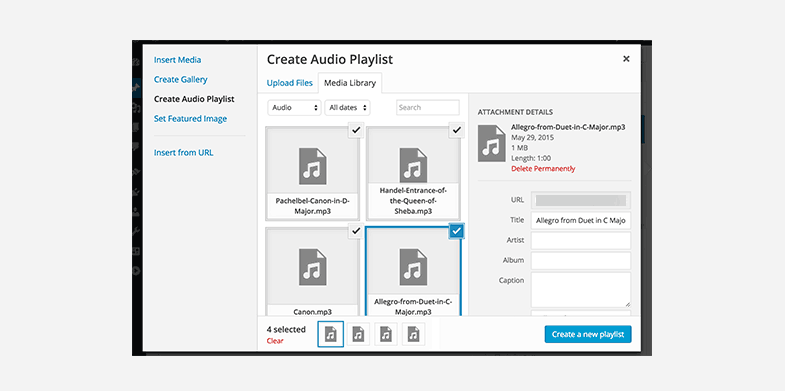
This can be a very useful way of adding audio on your Word press blog if you have more than one audio file to share. Good thing is that WordPress has support for playlists too. What you do in this case is to click on ‘Create Audio Playlist’ on your Media Library, then select all the audio files that you would like to include in that playlist. Once this is done, you can now add any metadata that you would want your users to see pertaining to that playlist. 

Finally, click on ‘create new playlist’ to build it. You can then select the necessary options that will be used to display your audio files including track list, the name of the artists, artwork and so on. Hit ‘insert audio playlist’ once everything is done and your website users will be able to play all the audio files on your playlist.

4. Embedding audio with SoundCloud’s player


SoundCloud is a service that is being used so much these days by people who want to share music on the web. It works just like YouTube only that it is basically for audio. SoundCloud can be used very easily to host your audio files that you want to embed on your website. It can also be used to share any files that you may already have there with your website users. 

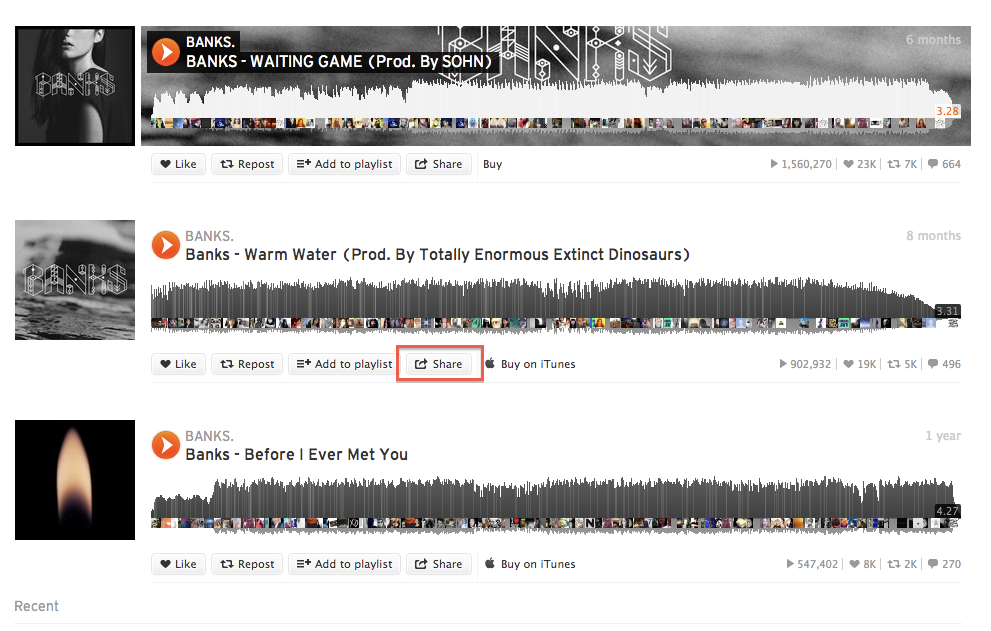
The service has been designed in such a manner that it can easily embed any content therein on any website. To get started, ensure that all the audio files that you want to share have a share button underneath them, as this is the only way they can be allowed to embed. If all of them have a click on that share button, then click on ‘embed’ and choose between the large square or the smaller rectangular options that pop up. Now, copy that and paste it into the post where you want your files to feature.

5. Use of a WordPress audio plugin


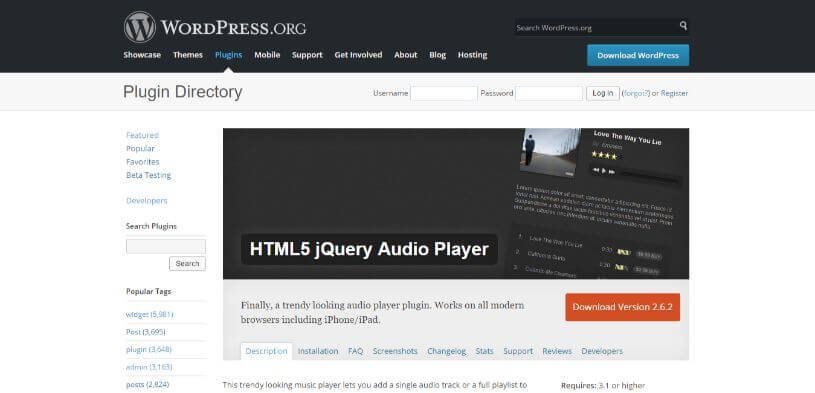
This is the best option for anyone that wants to do more as plugins offer extended functionality as well as greater configuration when compared to WordPress audio player. Good thing is that there are so many options available; therefore, it is easy to find a plugin that will meet your needs easily depending on the kind of functionality you are looking for. Some of the options available include a compact WP audio player.

This is a more compact option that appears just as a play icon. With it, you should be able to add mp3 and ogg files on your WordPress blog. The other best option available is the MP3-jplayer. This is a more flexible option that can be used to expand WordPress’ short codes with new and more options and functions. The plugin has great style, lots of layout options and color. You get to enjoy use of its drag and drop interface too, as well as ability to play audio directly from your media library, URLs and uploaded files.

If you have audio that you would like to share with your website audience, you can easily do it. With more than one way to do it, the only thing you have to do is to pick out a way that best meets your needs.
5 Ways That You Can Simplify Using WordPress

5 Ways That You Can Simplify Using WordPress

So much is needed when running a successful modern business and one of the most important things today is the creation of a website. Developing and running a website entails a lot, therefore it may be a daunting job if you do not know how to simplify things. 

However, there are so many options available in the creation of a web page, some of which are easy and others are hard and time consuming. When using WordPress, there are many easy options for you that can save a lot of your time and energy. Here are some of the simple things you can adopt in order to create your WordPress websites easily:

1. Keep your website building orderly


The excitement of creating a website is sometimes so much that you end up building things here and there, with no order at all. This is a great mistake because it leaves your websites looking unorganized. If you want to give your website that cohesive look it should have, you need to create things in order. This will help you stay organized and at the same time give you a smooth website, with a clear flow of things. The other benefit that comes with creating an organized website is to finish your projects in an organized and timely manner.

2. Make the best choice of a WordPress theme


The kind of WordPress theme that you will choose to use will make a whole lot of difference in the kind of experience you will have when creating your website. It is therefore important that you pick a theme carefully, whether you are just creating your own website or you are creating websites for your clients. WordPress themes are different; therefore you need to choose one that will simplify things for you in order to save so much time thereafter.

Some of the best choices you can go for includes Zillah, a WordPress theme that has been designed specifically for bloggers; Divi, an easy to use theme that will be good for the creation of page websites and Avada, which is a great option for those creating a large multi-page website. Each of these themes has its own strengths and areas of specialization, therefore go through each of their capabilities to determine which of these will be good for your project.

3. Use of a file manager

File managers are basically the simplest ways to manage one’s files without having to deal with all the limitations that come with it for instance file size. A file manager provides the user with the features to enable him to edit, delete, upload, download, copy and also paste files and folders. With a file manager, you should be able to copy or even move folders or files from one location to the other with ease.

File managers will not only make your work easier but also save you a lot of time since this can be done really fast. Some of the key features you will get to enjoy from the free version of file manager include: operations, which cover various operations that one can do, to the folders and files on a remote server for instance moving, copying, uploading, creating folders or files, editing, deleting among others; archives, a feature that can be used by the admin to create or even extract files; move/copy feature, which the admin can use in order to move files using drag and drop; the file size feature, which can be used by the admin in order to upload files of any size; the file type feature, which controls the kinds of files that can be uploaded and those that can be downloaded. There is also the short code and private folder features, both of which are available for the file manager pro edition.

4. Use Plugins


Plugins are basically programs that contain more than one function, which can be added to a WordPress website in order to extend their functionalities or even add new features to the websites where they are used. Fortunately, there are so many WordPress plugins in the market today and this means that you have a wide range of options to pick from depending on the kinds of features or functionalities you want to add to your website. Plugins can be used to make your WordPress experience very simple. 

Some of the plugins you need to start thinking about are WP Smush, Contact Form 7, Yoast, GeoTargeting among others. There is basically a plugin for everything that you would want to accomplish in your website creation, therefore take time to go through most of these plugins in order to determine the ones that will be good for your project.

5. Keep your tasks organized


Being able to manage your task is very important when one is creating a website. There are so many tasks you will perform, and all of these can overwhelm you if you are not careful. Luckily, there are task managers that you can use in order to organize your tasks all through website creation. There is for instance Asana, a task manager that allows users to map out all your tasks, giving you goals that you should accomplish for each task. 

Some task organizers have even more functionalities, for instance allowing you to see what your team is working on, so as to be able to work together in a group. If you are working in a team, you can accomplish a lot if you organize your tasks and keep your team informed on all the task deadlines.

As you can see, creating an effective website in an easy and fast manner entails a lot. You do not have to go through a lot of hassle, which may make it hard for you to enjoy the website creation process. Web development is an exciting thing too, therefore in order to enjoy every bit of it, make your work easy by simplifying the workload.
10 WordPress SEO Tips to Boost Rankings

10 WordPress SEO Tips to Boost Rankings

If you already have a WordPress website that is up and running, the next important thing is to ensure that it is optimized for search engines. Search engines look beyond how great or beautiful your website is in order to give it a good ranking. 


A good ranking in the end will determine how easy it will be for internet users to find you and this determines how good your sales will be. It is therefore important to know what search engines look for in ranking websites in order not to miss out on a good ranking. Here are some tips you should implement to boost your rankings:

1. Develop a sitemap for your website


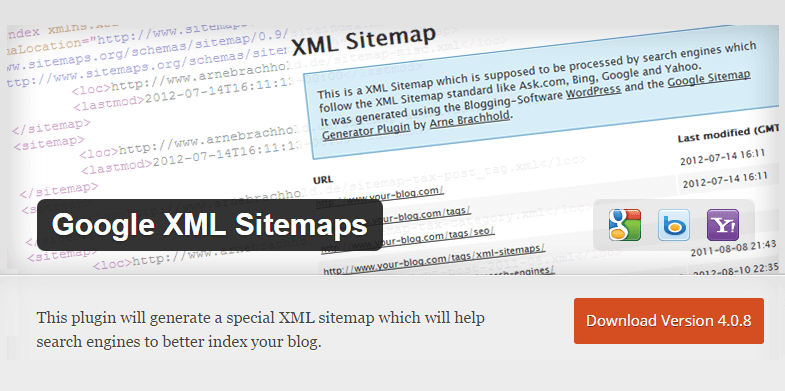
A sitemap will help search engines understand the structure of your website. This is because one website can have so many pages, and all of them are important when it comes to indexing your website. Creating a sitemap is very easy. WordPress users can for instance use Google XML Sitemaps, a plugin that is very useful. This plugin automatically generates sitemaps for websites.

2. Use of Google analytics


This is an extremely popular tool that is offered by Google for the purpose of analyzing a website. The tool is free to use, and it can help you a lot in tracking your website traffic. It is important to know where your website traffic is emanating from, what is its behavior and anything else that might help you understand your users better. This way, you will know how to influence them to help you reach your targets easily.

3. Make your website content shareable

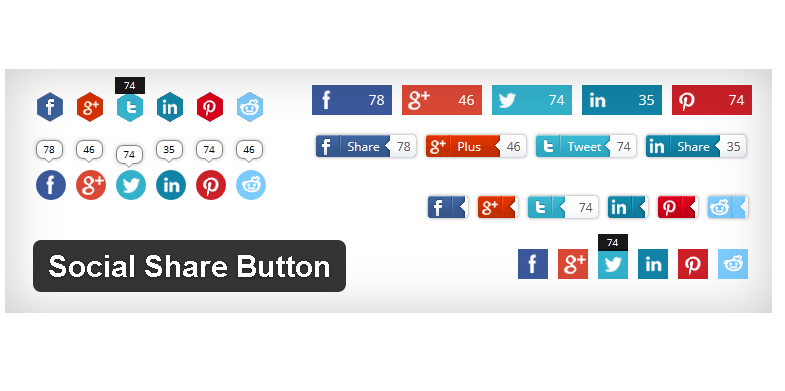
This makes it easy for your website visitors to share your content easily on their social networking sites. Now that social media is being used more than ever, you need to take advantage of how it can drive massive traffic to your website. This is easy to achieve if your content is shared widely on different social media groups like Facebook, Instagram, Twitter, among others. This is achieved so easily by adding social sharing buttons on your website.

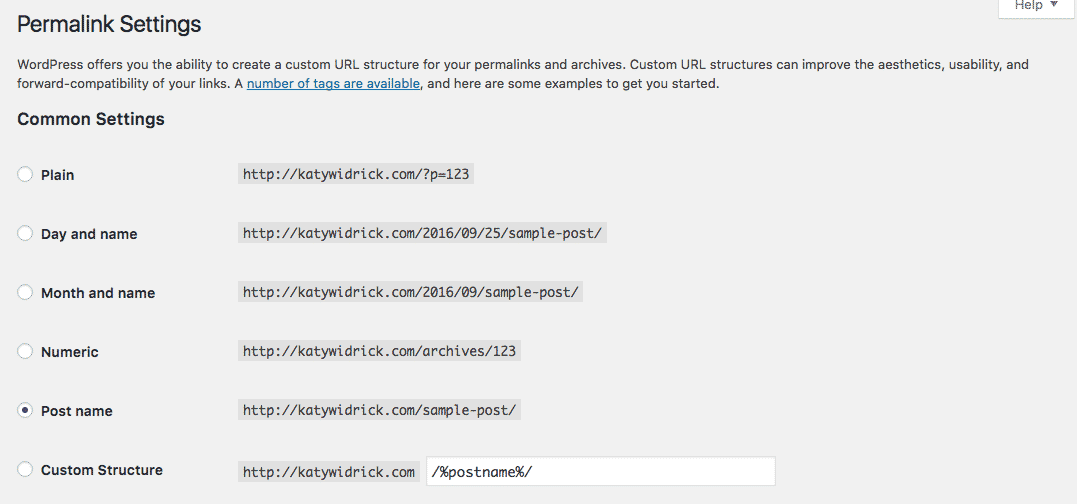
4. Set your permalinks


Permalinks are basically the URLs you use on your website pages and posts. Your users will use them in their address bars in order to reach different sections of your website. Other websites and search engines will also use them in order to access your website directly. You will get a default permalink from WordPress, which then can be changed to something easier to use by your users. A customized permalink will also be very easy to index by search engines.

5. Use of links and anchor texts properly


Adding links to posts is very important but there is a proper way to do it in order to boost your SEO rankings. You can add your own links to your own posts, which is called interlinking. This not only improves user experience but also helps you to gain some favor from the search engines. The links have to be relevant to the posts they are linked to though, for this to work in your favor.

6. Always use SEO plugins

There are so many SEO plugins that are offered by WordPress, for instance All in One SEO Plugin and Yoast SEO. These will do so much more for your website than the ordinary plugins, while at the same time boosting your rankings. They come with complete SEO solutions to help enhance your website on page SEO. They can also be used to generate an XML sitemap for your website.

7. Optimize your media as well


For many website owners, media is very important for their website. It can however make or break your website depending on how it is used. That is why you should name your images and them appropriately in order to boost your SEO rankings. Do not for instance upload an image with a very complex name. You should change it to a simple and relevant title, add a small caption, description and also alt text. All these will help a lot in ranking your website.
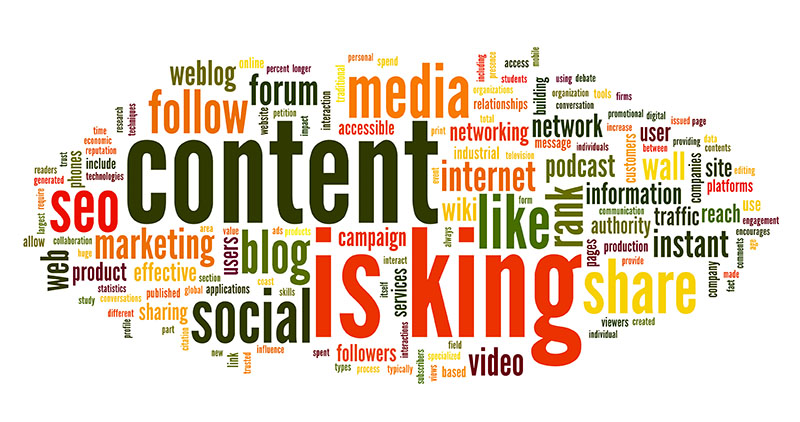
Content is king concept in word tag cloud on white background

This is the most used SEO tip for improved rankings. Quality content is applicable everywhere, in any kind of website, whether it is a corporate website or just a blog. The kind of content you use must be free of grammatical errors; it should be well researched, free of spelling errors and also appealing to the readers. It should also be unique, shareable, informative, helpful and also actionable.

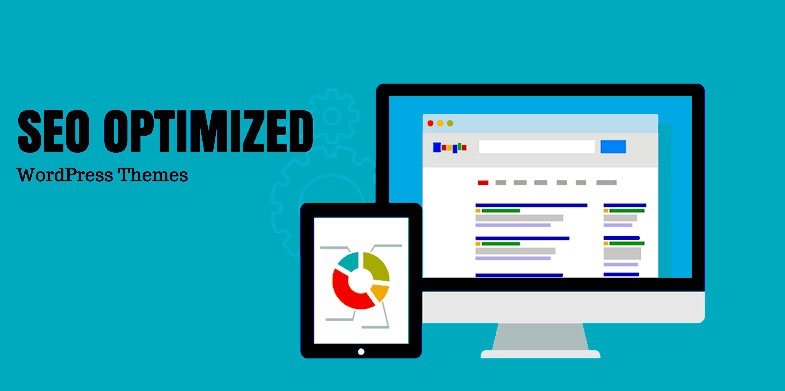
9. Use themes that are search engine optimized


Fortunately, WordPress offers a wide range of themes that are search optimized, and these are a great way to get a good foundation in the search engines. WordPress users should therefore stop looking for those great looking themes. Instead, they should go for those that are optimized for search engines. If you use a theme that is well written with SEO best practices, it will be very easy to get a good ranking.

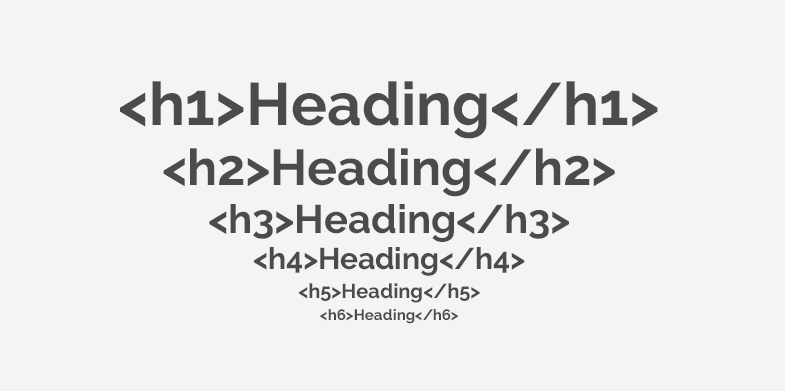
10. Use of the right heading tags


The way you use heading tags will matter so much to search engines, therefore ensure that they are used properly. Fortunately, you can easily get headings from your text editor, from where you can pick the one you prefer, from heading 1 to heading 6. You, however, have to know the ones to pick for a specific heading. The H1 is always meant for the title of a blog post. It should therefore be clean and informative. H2 will be for the other additional headings inside your post. H3 and H4 are use for subheadings.

When it comes to SEO, it is important for website owners to be aware of the many things they can do in order to get a good ranking. Good thing is that there are so many tactics and techniques available, with those mentioned here as the best to use in a WordPress website. If used well, these tips will give you a higher ranking in the search engines.
WordPress Vs Wix: Which One’s Better?

WordPress Vs Wix: Which One’s Better?

When you are getting started with building websites, choosing the best content management system can be confusing. A lot of people go for WordPress, because it is the most popular CMS in use in the world, but this does not mean that it is the only option available. 

Wix is a great website builder too, popular in its own sense but not as popular as WordPress. What you need to know is that you have to go for the best. You do not want to commit so much time and energy in a website builder that does not offer what you really need. Both Wix and WordPress are great website builders but they are quite different too. Here is how they differ:

1. In their ease of use


When compared to WordPress, Wix is way easier to use. It is a web building tool that was designed and built in order to specifically cater for the needs of non-developers. Even though it has customization limits, it is a lot easier to use if you do not have any coding skills. Learning to use Wix is a lot faster, with less headache.

People choose WordPress over Wix mainly because of its flexibility. It is a little bit complex especially for non-developers though. WordPress is best suited for people who know a little bit of coding in order to modify the codes to suit them. Since it is highly customizable, you can achieve what you have in mind easily.

If you have no coding skills, this may be difficult to achieve and this means that you will not get exactly what you need with WordPress. You however might have to hire a skilled WordPress developer, which can be costly.

2. In their flexibility


WordPress is a very flexible open source platform. Its code is usually open for everyone to use and also to modify to suit what they intend to use. This gives room to programmers to use WordPress in order to create their own plugins and themes, which can be downloaded and used by others for free or at a small fee. This is the reason why the WordPress community is large, which is an advantage and also a disadvantage.

Wix on the other hand is not an open source platform. This means that its code is not easily accessible to people to modify and use as they please. Wix has its own team of developers, who are mandated with the building of tools that are used by Wix developers.

While this places Wix on the disadvantage, it is important to imagine the types and quality of plugins and themes you can download from WordPress as compared to what you get from Wix.

3. Maintenance


WordPress ensures that its platform is always up to date in order to fix bugs an also to enhance security. However, you have to update your website too, so as to benefit from those updates. This is different if you are using a custom theme; some developers will update theirs and others will not. You have to be on the lookout at all times if you want to keep your website safe from attacks. What WordPress users do is to take charge of their own website maintenance, which is a lot of additional work.

Wix users on the other hand do not have to do a thing to keep their website secure. This is because all their updates are done by its technical team, and then the updated are deployed directly to the users’ site. The technical team ensures that the platform is up to date and secure at all times, therefore its users do not have to worry about attacks.

4. Support


WordPress seems to have greater support when compared to Wix. WordPress is very popular and for this reason, it has a great community of users, who exchange ideas and offer help every day. For a new user, it will be very easy to get started because the support is there when you need it. There are numerous tutorials online too, to help you get started and achieve the best results with WordPress. The only problem is in identifying those that are genuine and the ones that are not.

Wix has great support too, but its support services are offered by its focused support team. They offer help and support to their users for the users to troubleshoot issues they are facing while developing their websites. The platform has created a lot of videos and articles too as well as great forums that are geared towards offering the kind of help you might need as you build your websites. Help is offered through emails and scheduled phone calls too.

5. The costs


Since it is important to consider the cost when you are creating your website, it is important to know how different WordPress users are charged when compared to Wix. To start with, Wix offers 5 premium pricing plans, from which its users can pick the most suitable for them. There are different packages, which costs between $7 and $30 if you need a month to month payment plan. The first one does not have so many features and it is the cheapest of all. The cost goes up the list since you get to access more features.

WordPress users on the other hand will require a hosting service, which costs about $7 per month. With this, you will need to pay for a theme because the free themes available are usually not attractive. Great themes cost between $30 and $80 depending on the reputation of the developer and the reliability of the theme.

More functionality will cost you if you choose to go for a paid plugin. Finally, you will need to pay for your own domain name.

From the comparison, it is clear that both WordPress and Wix are great in their own way. Choosing one over the other will therefore be a matter of personal preference. If you are just a beginner and you do not have a WordPress developer in mind to help you get started, Wix might be a better choice.
Why You Should Create A WordPress Website For Your Client

Why You Should Create A WordPress Website For Your Client

WordPress is a popular content management system that is highly-preferred by many individuals. At first, it started as blogging software that was mainly used for creating personal and company blogs. However, over time it evolved and became diverse in that it can be used for blogs, websites and online stores. This is mainly enabled by the many plugins and themes that it has.

Many clients, who are interested in getting a website for their own personal or company use, are normally not sure of the type of website they want. Therefore, as a website designer or web developer, you need to find a platform that will suit your client’s preference and will not trouble him/her. WordPress is definitely a great choice.

Thus, when creating the web scope after discussing the intended website, remember to state why you’ve chosen WordPress. As an individual, you may even opt to convert your own personal website to WordPress and enjoy using it.

Here are some reasons why you should make a WordPress site for your client:

WordPress resources and community

WordPress has an awesome community that seeks to answer any query brought forth. In addition, there are other resources on the internet that seek to answer common WordPress queries. Since 2003, the developers of this awesome CMS have always been updating their latest releases. Thus, you can easily trouble shoot a problem with the information provided. Most of the WordPress resources are free to access unlike some other resources where you have to pay a fee so as to access information.

If you encounter any problem when you are creating a website, you can always consult the community. After creating the website, you should also train your client on how to go about finding information on the internet. This is to reduce incidences where he/she will want to reach out to you to solve a certain issue. At the end they will also gain the necessary experience and skill.

Dashboard

Another awesome aspect about WordPress is that it is easy to navigate through the dashboard. The dashboard is straight forward and one can easily learn how to use it within a short time. Thus, if you make a website for your client, they won’t have a lot of trouble in using the dashboard.If the website is a blog, the client will be able to post and edit articles at ease. This also applies to uploading of images and videos.

Management of the website

WordPress can be managed using any browser as long as there is internet connection. Thus, you can log in, into the website using any computer or device and have no issues.In addition, the formatting, publishing of posts and pages is easy due to its interface. In WordPress, it is acceptable to have a couple of users/authors who can access the administration panel and customize it. For instance, you may create an account for your client and also for your use too


No complex coding needed

WordPress being a Content Management System doesn’t require any complex knowledge of coding. All you have to do is install the software and connect with the database. The only coding that you might be prompted to use is the plugin-related ones.It won’t be a requirement to go to the source code and change certain settings or add a page of code. This is beneficial for clients who don’t have the slightest knowledge of coding.

Search Engine Compatibility

There are many search engine optimization plugins on WordPress that aid in increasing the visibility of your site. These include awesome plugins like: Yoast SEO which is popularly used for SEO. This will definitely excite your client who will be able to have a Search engine friendly site.In a huge way this helps to rank the site higher when searched for. However, you need to train them on how to optimize their content, title and keywords. WordPress provides an easy platform to make this work efficiently.


Website responsiveness

No client would be happy if you made an unresponsive site for them that would require zooming in and out. Thus, most WordPress themes are responsive to ensure that the website is responsive on each of the browsers.The responsiveness of a website goes a long way in maintaining a high profile for your company or individual website. Your client will definitely be amazed by the WordPress website you design for them.

Customization

On the WordPress website, there is a section on the left side where you can customize the site into any form that you may want. While you edit, it normally shows the kind of changes you have made on the right side. You can also make any type of changes at your convenience, without having to access the code files.Be assured that your client will have full control of the website and make any needed updates.

WordPress comes with an in-built blog

Initially WordPress was created to be a blog software before it was made more diverse. Due to this, making a blog is easy and doesn’t require too much effort. Your client can easily add posts to his/her website when need arises. It is also easy to edit the posts and customize them in the right way. This will help reach a broader audience and also diversify the website.

Themes, extensions and plugins

In WordPress there is a diverse market of free themes, extensions and plugins. Depending on the kind of look you want, you can easily customize a theme to satisfy your needs. You can also change your theme with just a click of a button.


The amazing plugins like woo commerce can allow you to create an online store that will be up and running within a short time. You can also use an Ad classified plugin that will help to create Ads an adverts on the site. If your client needs a company website that showcases their services, products and blog, WordPress is the best choice.

Single-page websites

WordPress also allows one to create a one-page website that has all the functions. Single-paged websites allow one to scroll the website at ease. However, this is mainly recommended for small-companies that don’t want too much content. Single-paged websites are beneficial in that you don’t have to leave the page to go to another. In addition, it is also easy to access the call to action buttons.

Importing and exporting a WordPress website

In the dashboard, there is a setting that allows one to export their WordPress site and import elsewhere. This is a function that not all Content Management systems have. Thus, it is easier for your client to move the site.Setting up the WordPress site is also easy as long as the connection between the database and the website is done correctly.

Conclusion:

It is evident that creating a WordPress site for your client is advantageous. All you need to do is to train your client on how to go about with posts and pages. If any issue arises, he/she can find useful resources that will help solve the current issue. With all the current trends and technologies, WordPress will definitely evolve into more with time and troubleshoot any system issues that it may be having.

However, after creating the website for your client, you should provide important links that he/she can use for training. You can also avail various websites where they can get the various extensions that can improve their sites.